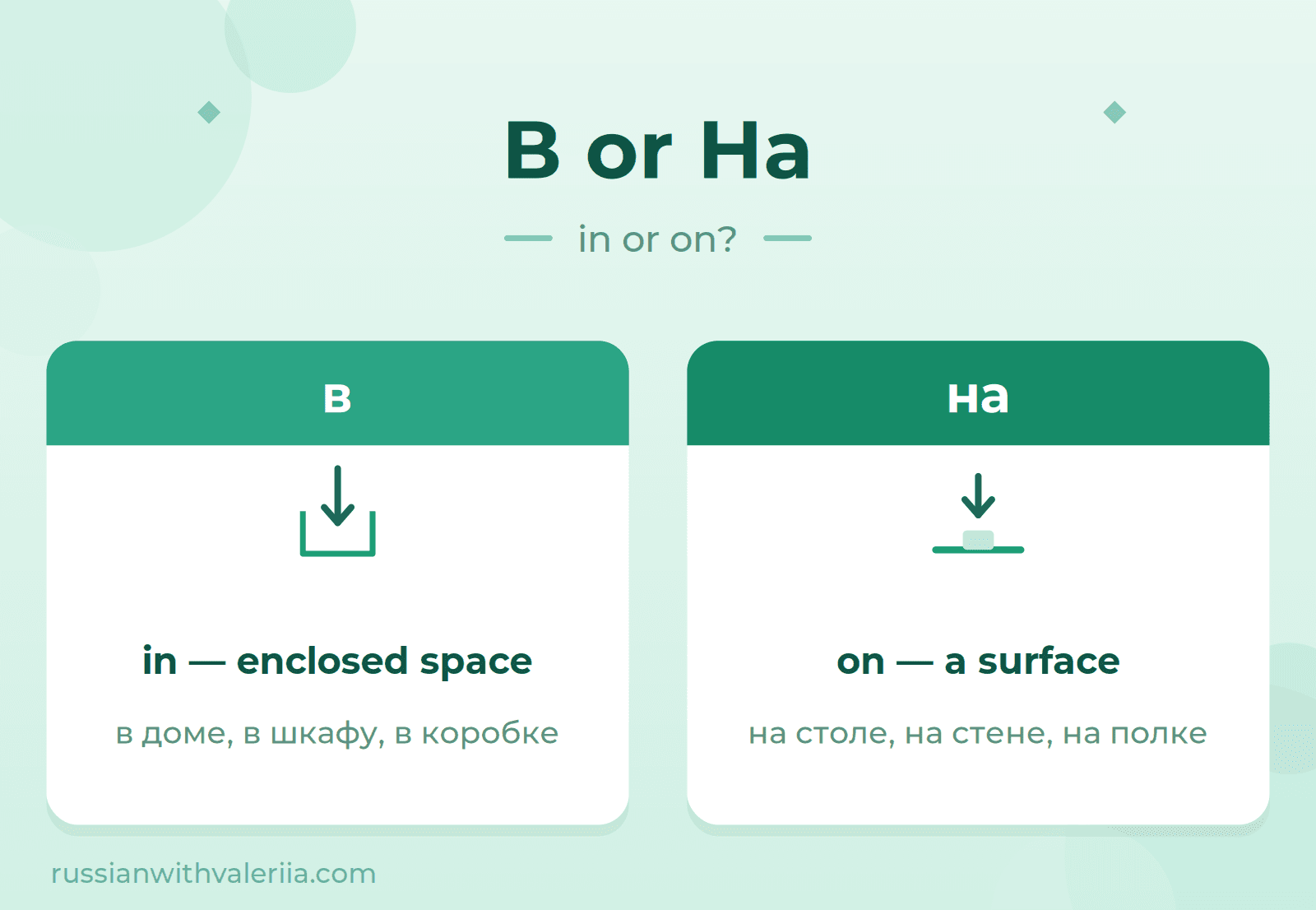
В vs На - In / On / At in Russian
Learn how to choose between в and на in Russian with simple patterns, real examples, common exceptions, and practice exercises.
PrepositionsGrammar in Use
Read articleYour comprehensive resource for learning Russian. Explore grammar guides, vocabulary lessons, cultural insights, and practical tips to accelerate your language journey.
Learn how to choose between в and на in Russian with simple patterns, real examples, common exceptions, and practice exercises.
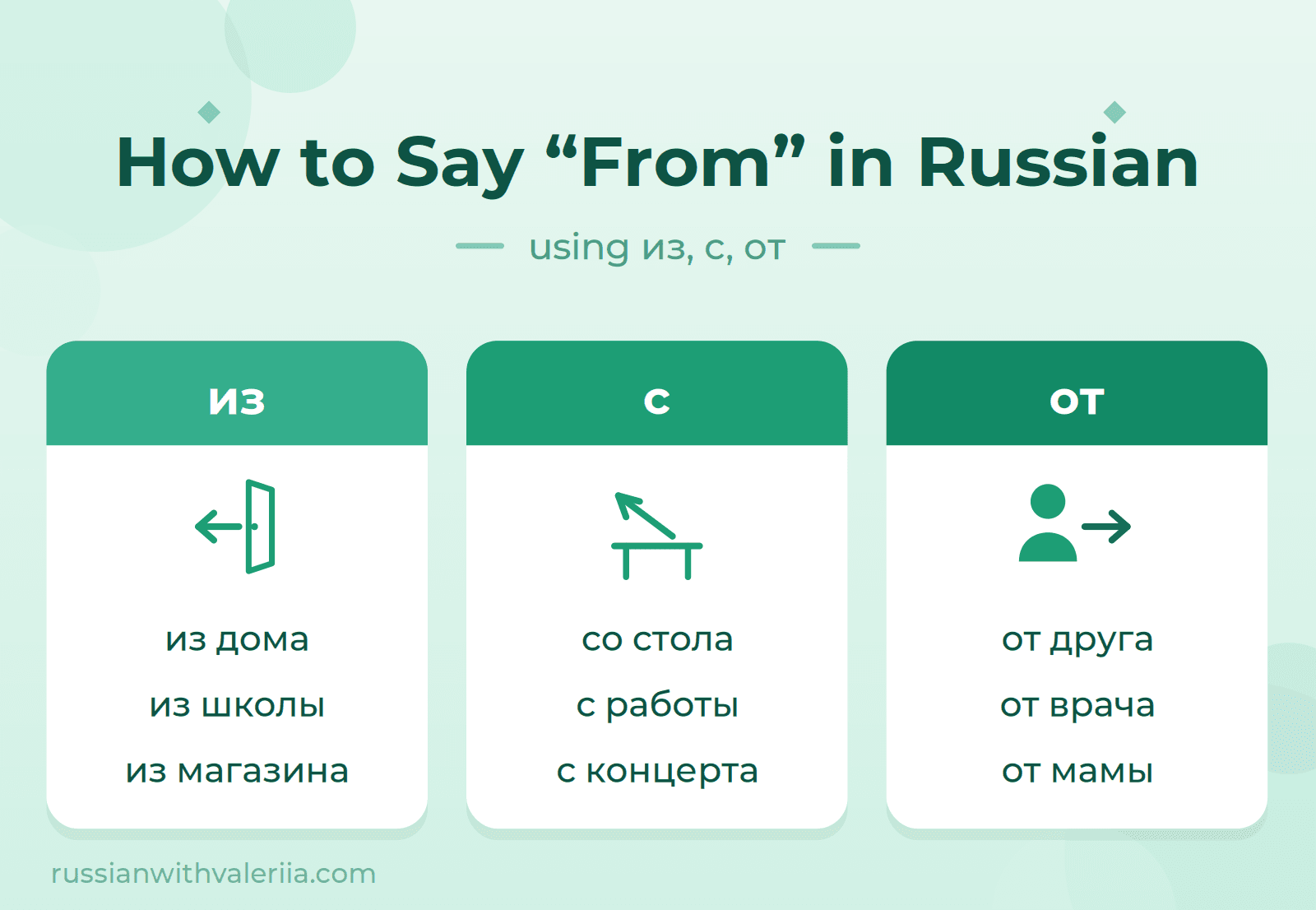
Russian has three words for "from" — из, с, and от. Here's the simple logic behind each one, with clear examples and a short exercise to make it stick.
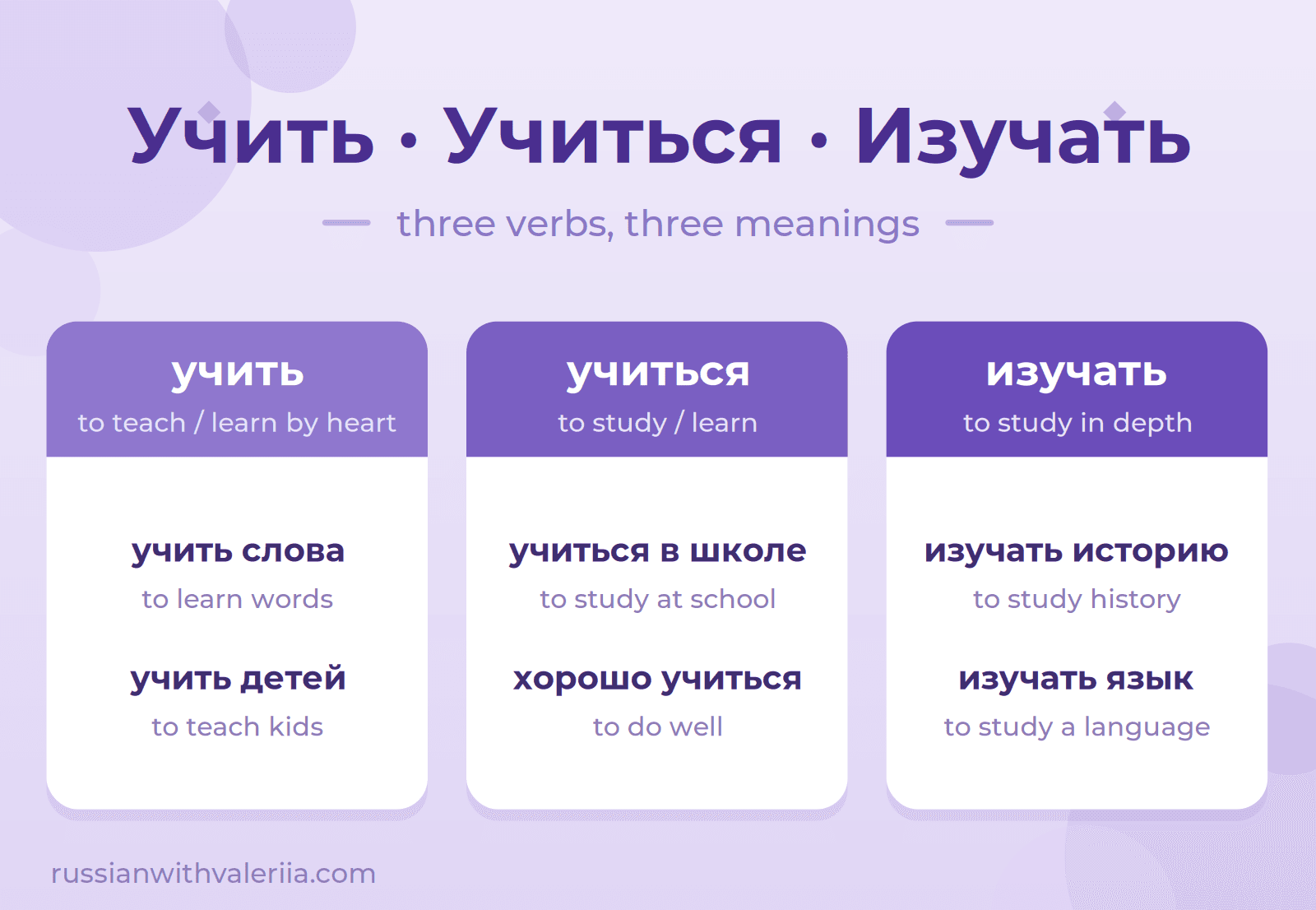
Confused between учить, учиться and изучать? Learn the real difference with simple rules, real examples, and a comparison table — no guessing needed.
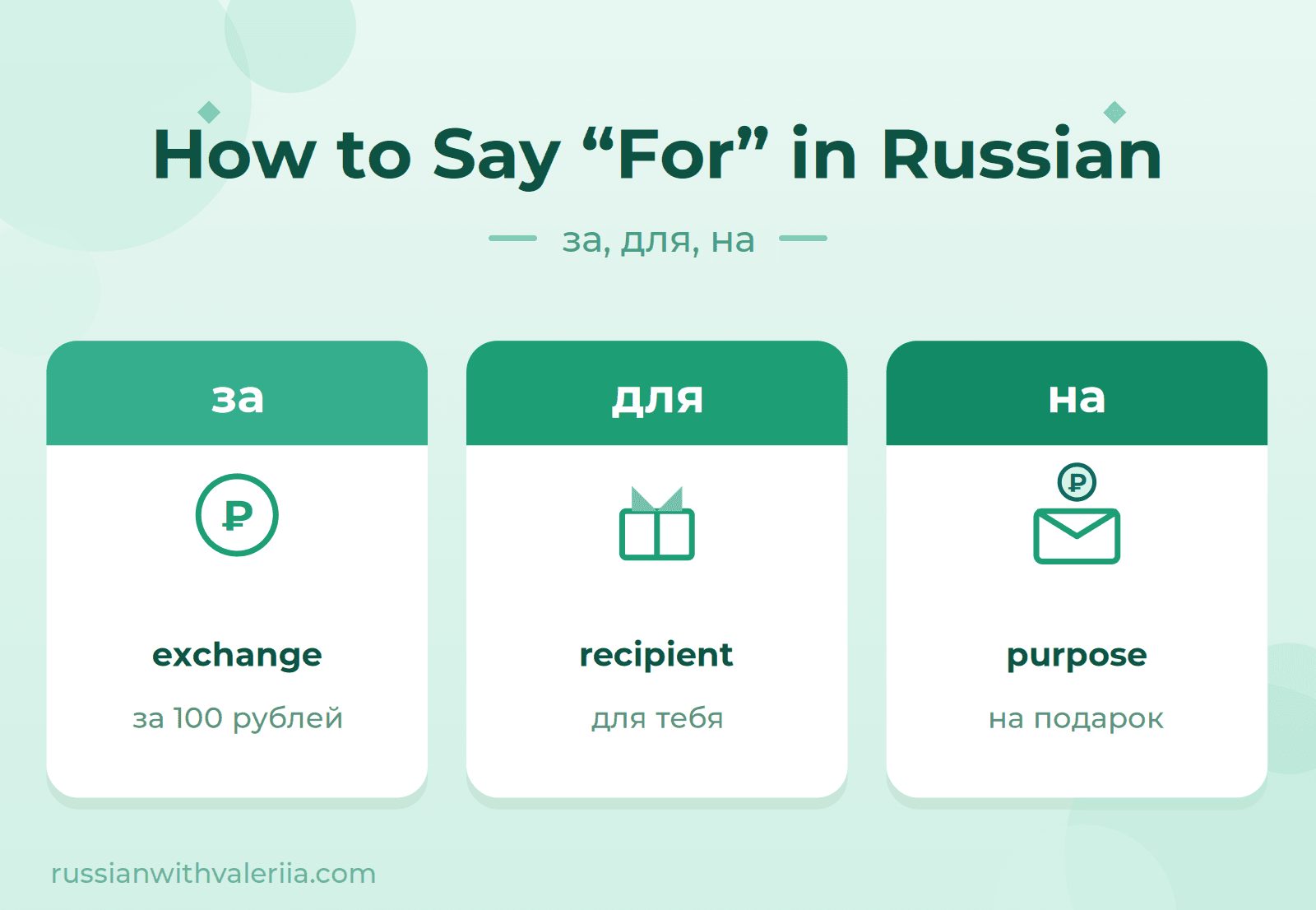
How would you translate "this is for you" and "thank you for help"? Not sure? Then this article is for you!
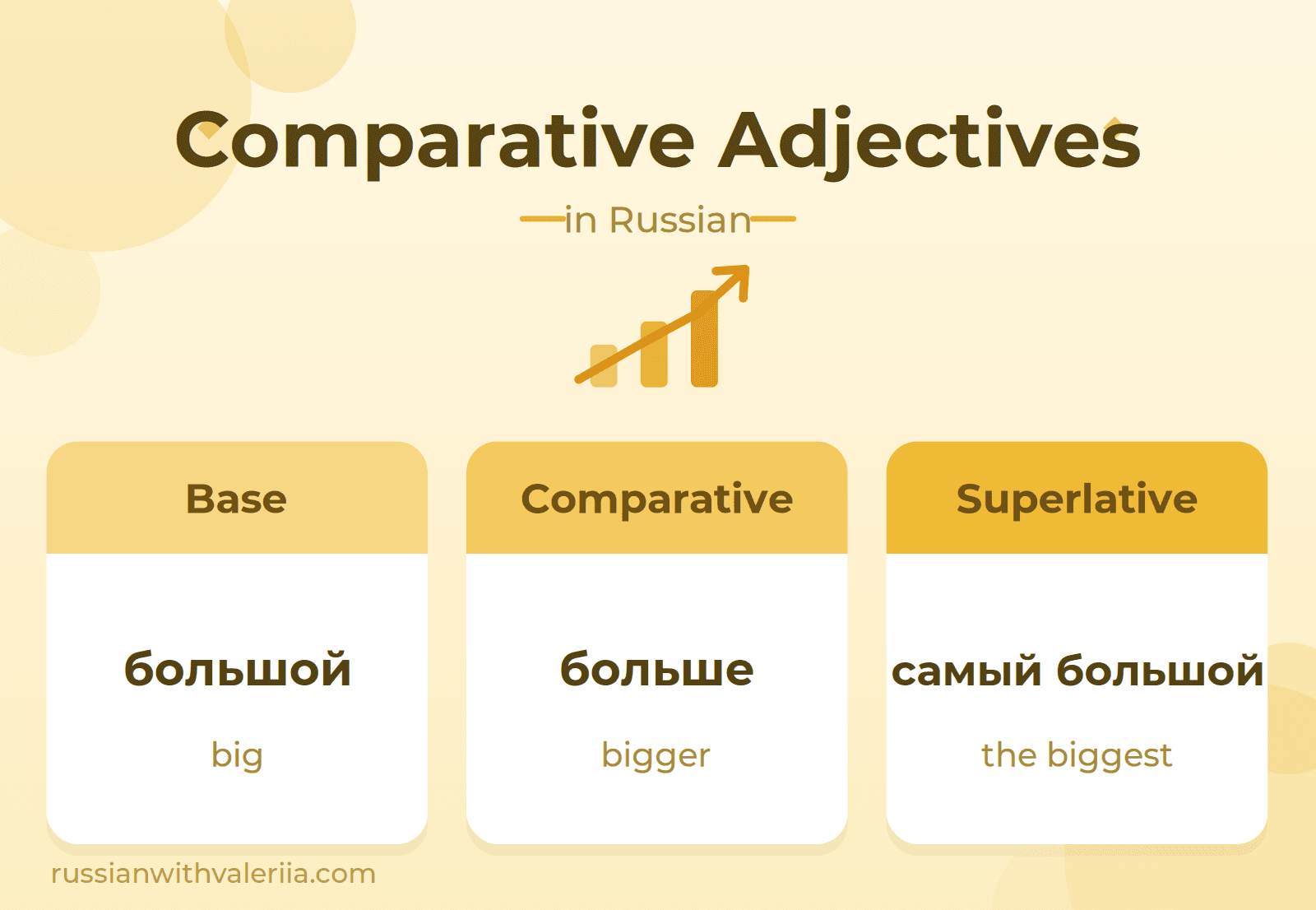
Learn how to form comparative and superlative adjectives in Russian — бо́лее, са́мый, simple forms, irregulars, чем, and the чем…тем pattern, with clear examples.
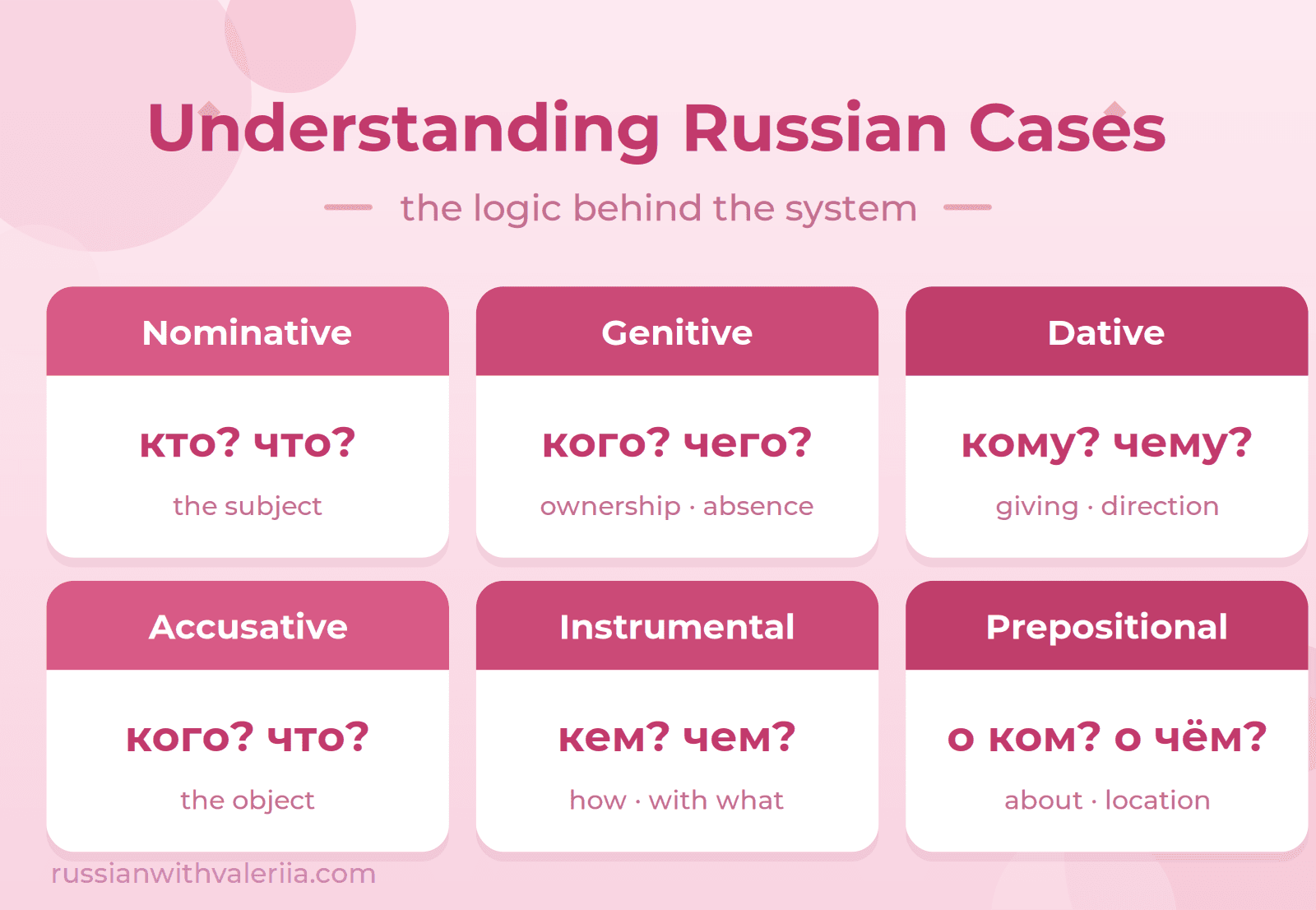
A beginner-friendly guide to understanding Russian cases through logic, not endings. Learn when and why each case is used, with clear examples and simple explanations.
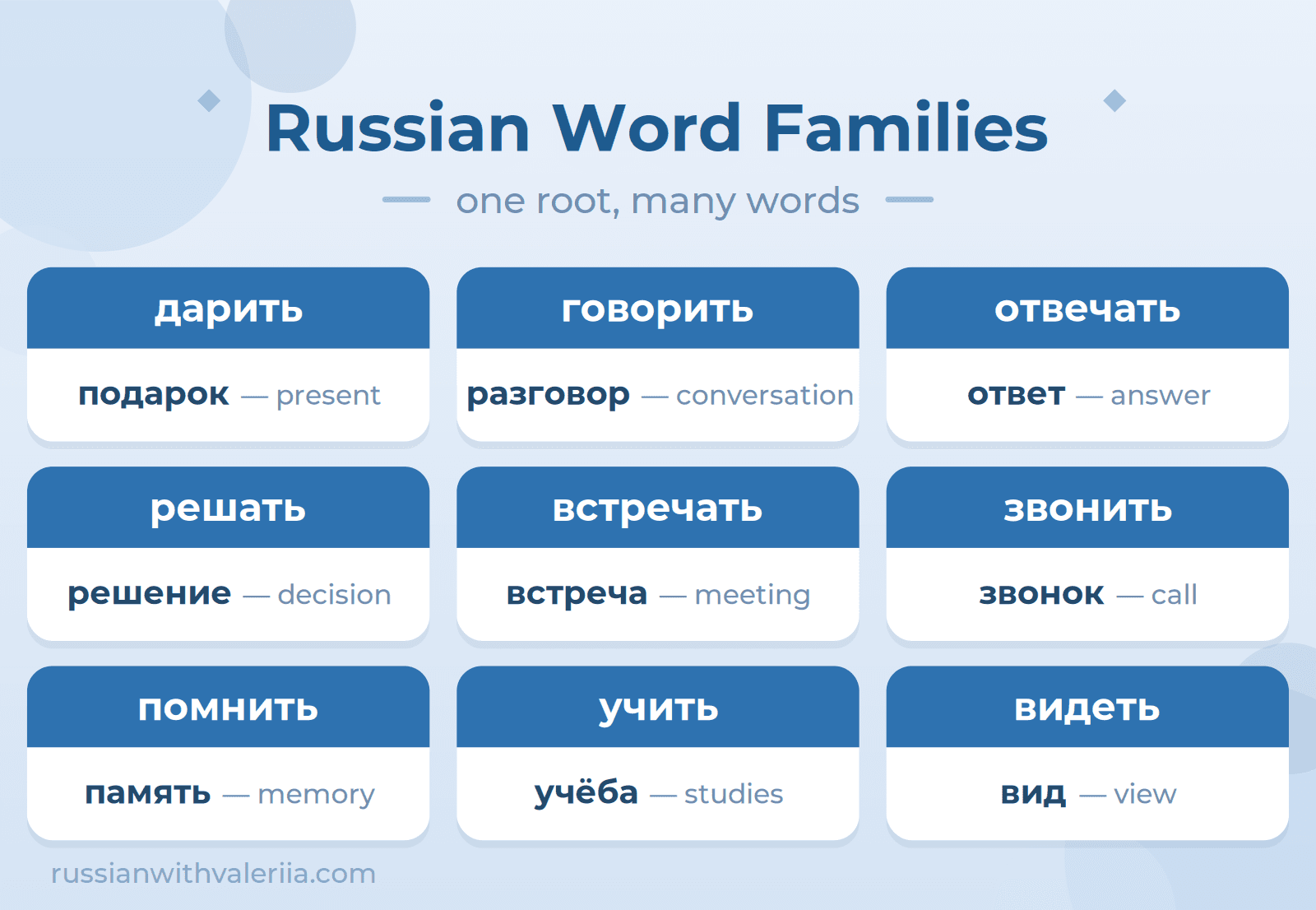
You already know all these verbs, but did you know that you can build many more words and expressions from them? Here are their word families, with examples of related verbs, nouns, and adjectives that will help you expand your vocabulary and see connections between words.
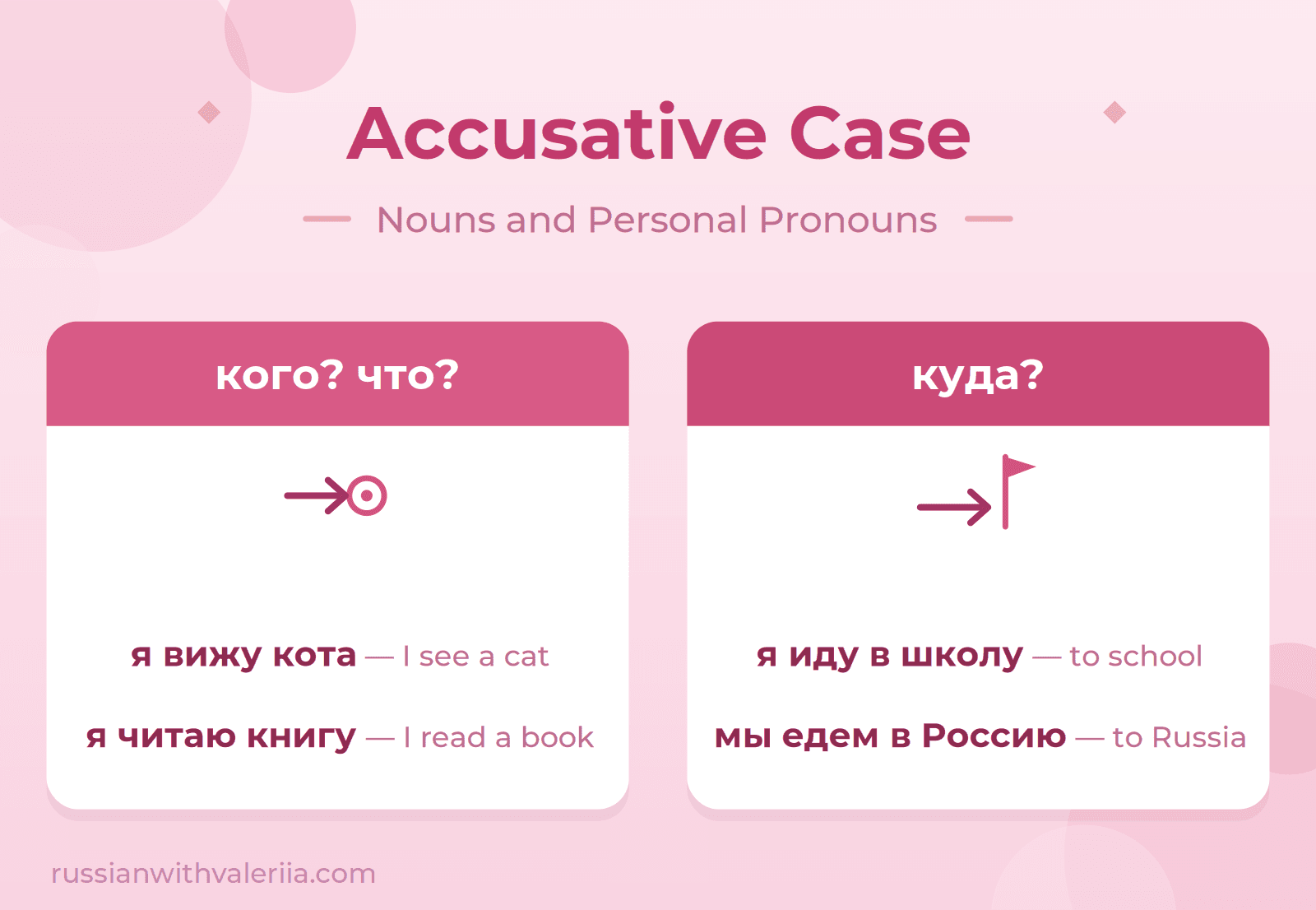
A friendly introduction to the basic Russian accusative: simple explanations, main uses, guide to formation and exercises.
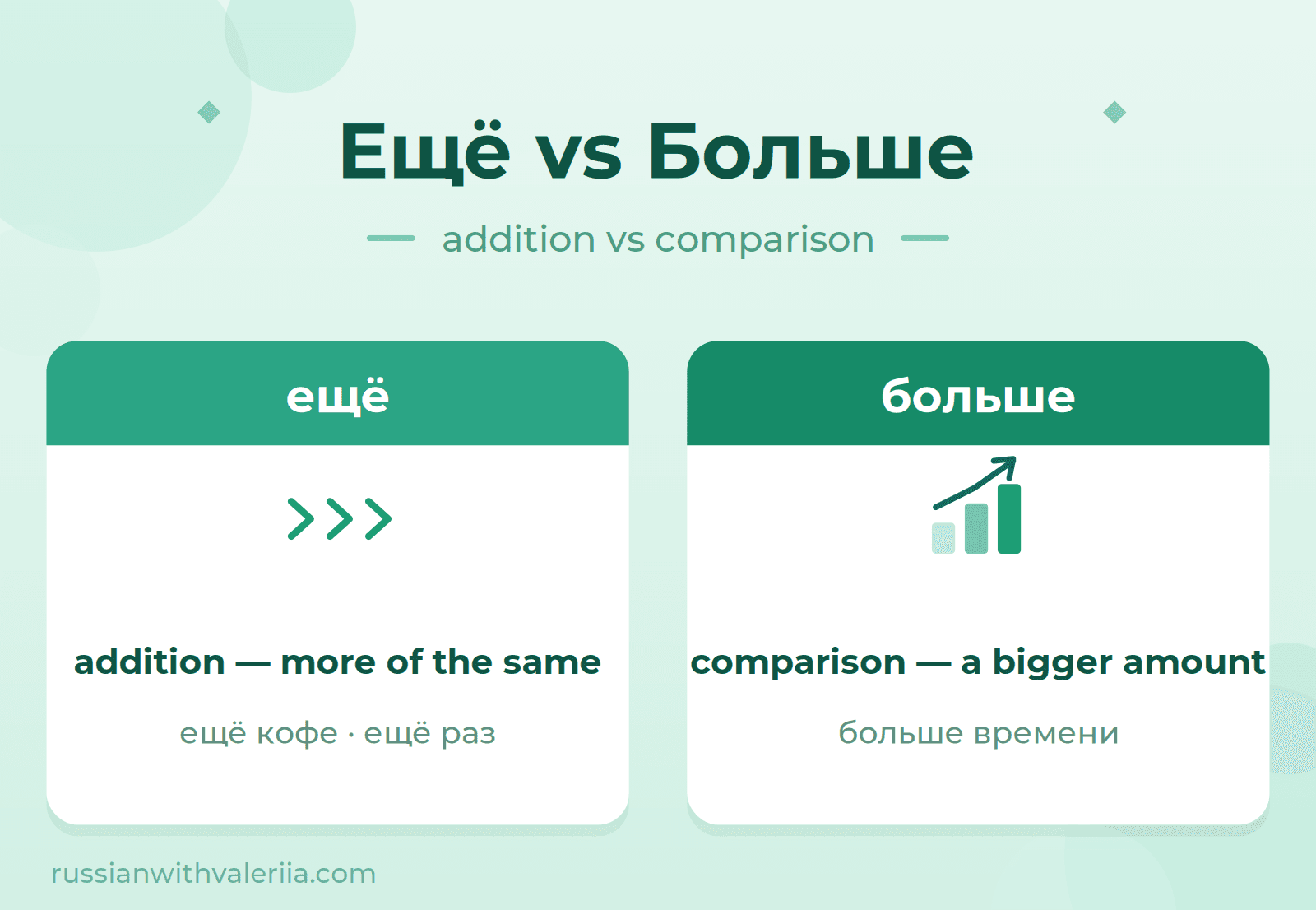
Ещё or больше? Both mean "more" in Russian, but they're not interchangeable. Learn the real difference with examples.
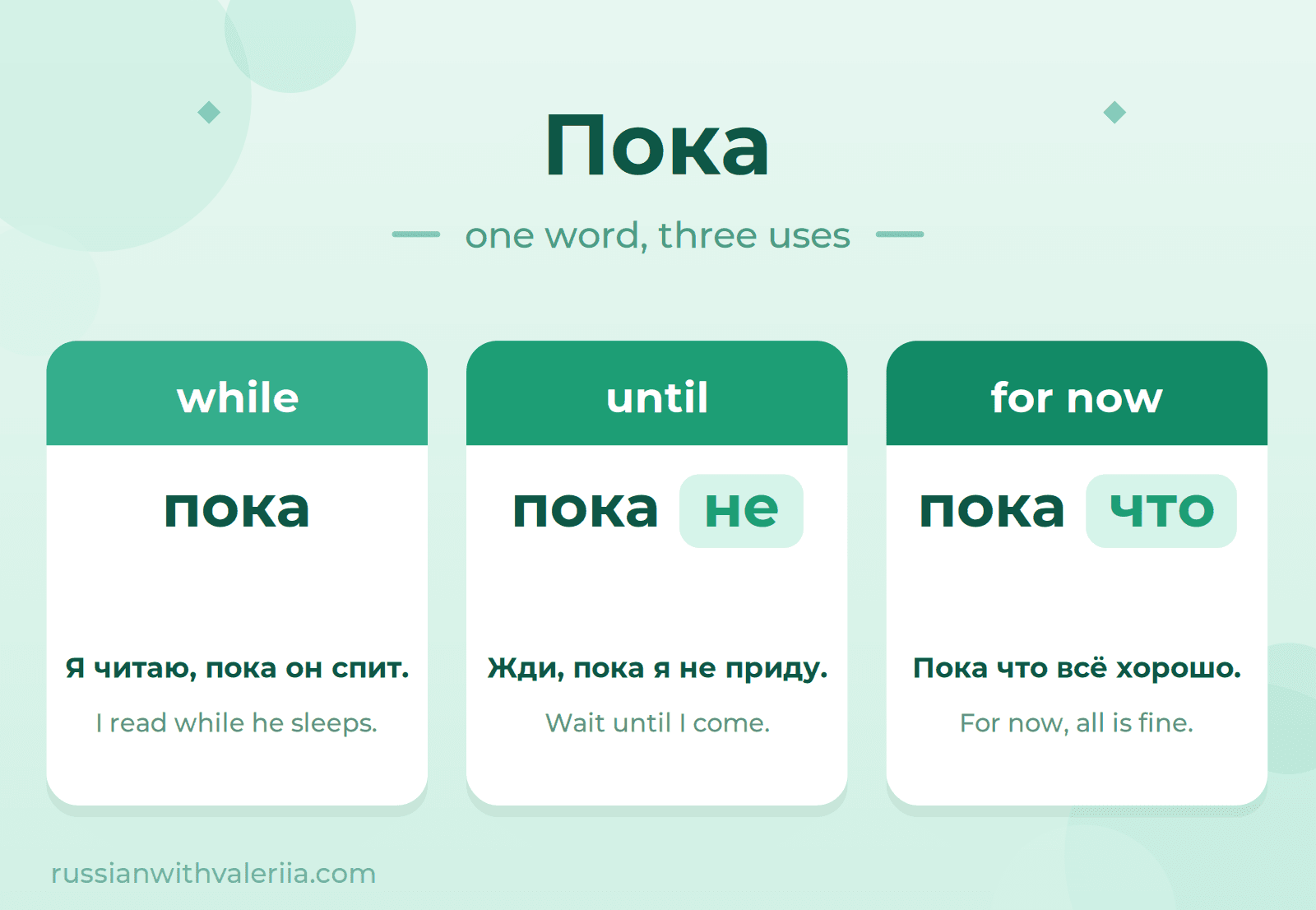
Does пока mean "bye" or "while"? Both — and more. Learn all 4 meanings of пока in Russian with examples.
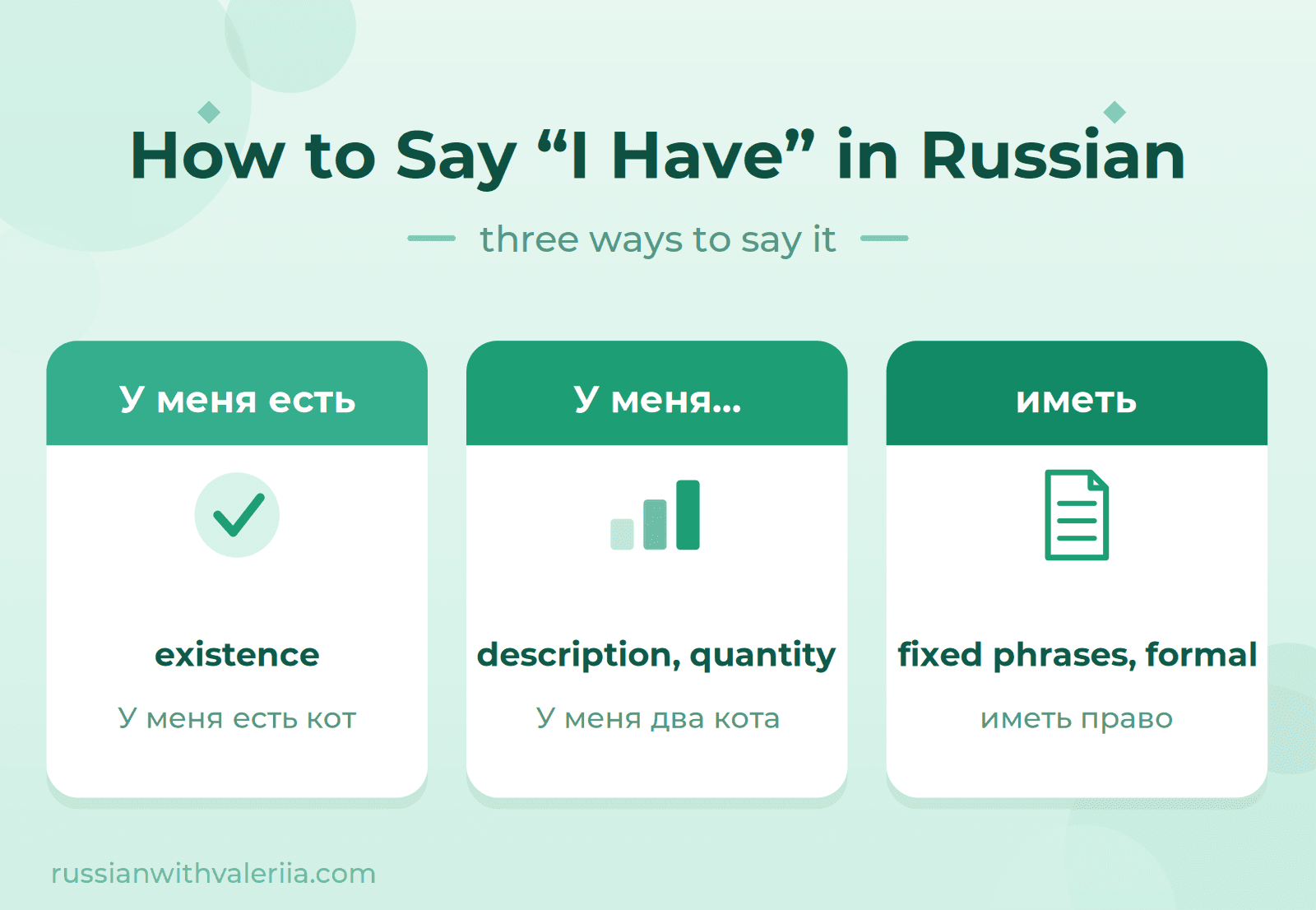
Learn how to say "I have" in Russian: when to use у меня есть, when to drop есть, and why иметь almost never means everyday possession.
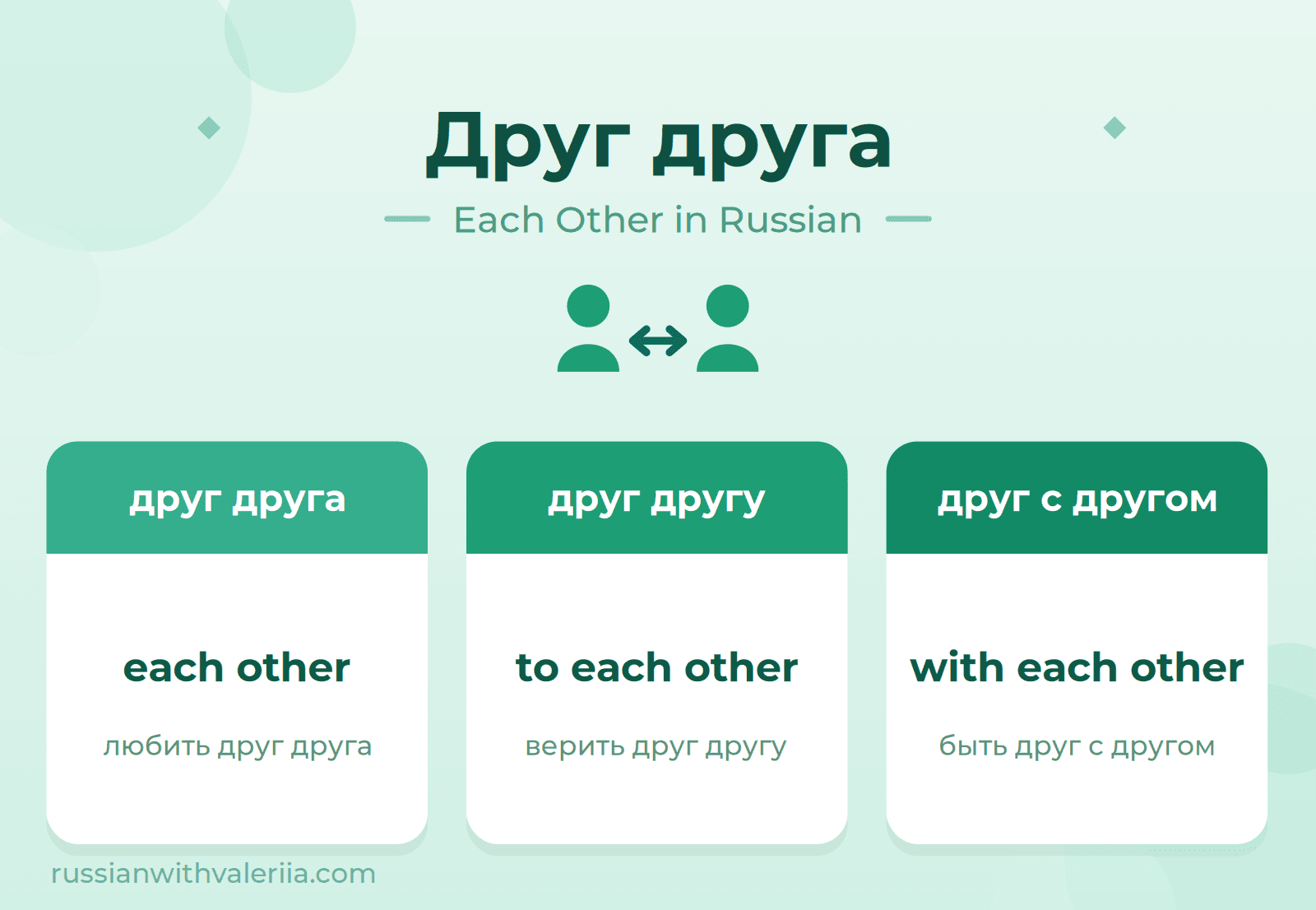
Learn and practice how to say “each other” in Russian, how the phrase changes by case, and how to use it naturally in real sentences.